Pre-Kindergarten Daycare
(3 to 5 years)
At Little Hugs Daycare, our Pre-Kindergarten program is designed to prepare children ages 3 to 5 for a confident and successful transition into kindergarten. We provide a nurturing, structured, and play-based learning environment where children develop socially, emotionally, and academically at their own pace.
Our experienced educators focus on early literacy, numeracy, problem-solving, and creative expression through fun and engaging activities. Children are encouraged to build independence, confidence, and positive social skills while learning to follow routines, cooperate with peers, and express themselves effectively.
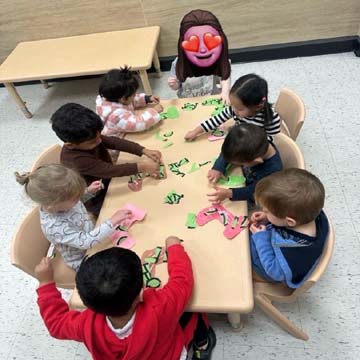
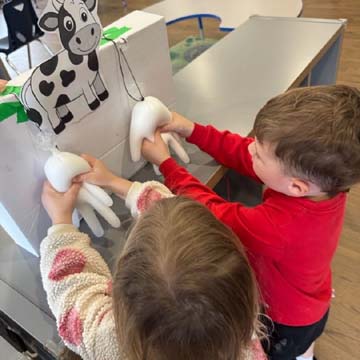
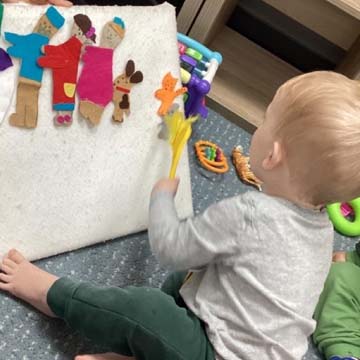
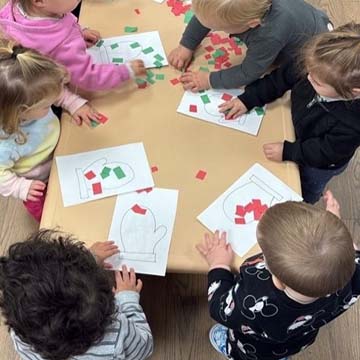
Through hands-on learning, music, art, storytelling, outdoor play, and group activities, our program supports cognitive growth, fine and gross motor development, and emotional well-being. At Little Hugs Daycare, we believe every child learns best when they feel safe, supported, and inspired—helping them grow into curious, happy, and school-ready learners.
We emphasize strong communication skills, early reading readiness, and basic math concepts while encouraging curiosity and a love for learning. Our teachers provide gentle guidance and positive reinforcement to help children develop self-esteem, responsibility, and respect for others. Daily activities are thoughtfully planned to support school readiness while still allowing plenty of time for imaginative play, exploration, and hands-on discovery.
At Little Hugs Daycare, we partner with families to support each child’s unique strengths and help them reach important developmental milestones before entering kindergarten.
DESCRIPTION
Kindergarten expectations continue to evolve, and in today’s increasingly academic environment, many parents feel the need to ensure their children are well prepared for the more structured setting of school.
At Little Hugs Daycare, our curriculum focuses on developing essential kindergarten readiness skills, including:
Understand basic counting and number concepts
Recognizing letters and their beginning sounds
Build strong listening and attention skills
Practice following simple classroom routines and instructions
Develop early literacy and number recognition skills
Strengthen fine motor skills for writing and cutting
Encourage independence and self-help skills
Support positive social skills like sharing and teamwork
Build confidence and a love for learning
These meetings outline age-appropriate expectations and keep families informed about the progress their child has made throughout the year.
ADDITIONAL INFORMATION
| Time | Description |
|---|---|
| 6:30-9:00am | Drop-off, welcome time, and diapering |
| 9:00-9:30am | Morning snack |
| 9:30-10:30am | Outdoor play and exercise |
| 10:30-11:00am | Creative art projects and fine motor activities |
| 11:00-11:30am | Creative art projects and fine motor activities |
| 11:30am-12:00pm | Lunch time |
| 11:40-12:00am | Diapering and preparation for lunch |
| 12:00-2:30pm | Rest and nap time |
| 2:30-3:00pm | Wake-up routine and diapering |
| 3:00-3:30pm | Afternoon snack |
| 3:30-4:30pm | Outdoor fun |
| 4:30-5:00pm | Quiet activities (books and puzzles) |
| 5:00-5:30pm | Free play and pick-up time |
Flexible Care program for children ages 3 to 5
Our Flexible Care program for children ages 3 to 5 offers families convenient scheduling options while maintaining a safe, nurturing, and engaging learning environment. Children enjoy age-appropriate activities that support early learning, social skills, and creativity, even with part-time or variable attendance. At Little Hugs Daycare, we ensure every child feels comfortable, supported, and included—helping them learn, play, and grow at their own pace.
Here are Top highlighted services for Flexible Care (Ages 3–5 Years) at Little Hugs Daycare
Flexible Scheduling Options – Full-time, part-time, and drop-in care to fit your family’s needs.
Safe & Nurturing Environment – A warm, secure space where children feel comfortable and supported.
School Readiness Activities – Early literacy, basic math, and problem-solving skills.
Play-Based Learning – Learning through structured play, creativity, and exploration.
Experienced & Caring Educators – Qualified staff who understand early childhood development.
Daily Routine & Structure – Balanced schedules that provide consistency even with flexible attendance.
Social Skills Development – Encouraging sharing, teamwork, communication, and confidence.
Indoor & Outdoor Play – Physical activities that build motor skills and healthy habits.
Parent-teacher meetings and individual progress reports are implemented to detail the expectations of the child’s age level and to keep parents up to date on the progress your child has made throughout the year.